Poetry
Poetry has been a central part of Anthony A. Lee’s literary work, encompassing both his original poetry and collaborations that bring the work of poets from other languages and traditions into English.
His original poetry draws on personal experience, history, spirituality, identity, and the complexities of human relationships, often bringing together the intimate and the historical to explore questions of memory, belonging, love, loss, and human connection.
His translation work brings poets such as Rumi and Tayseer al-Sboul to English-language readers. Working in collaboration with native-language translators, Lee transforms literal and interpretive translations into English poetry, attending not only to meaning but also to rhythm, imagery, voice, and the spirit of the original.
His work as a poet and translator has been recognized through numerous literary awards and honors, and his publications have appeared in journals and anthologies as well as in several collections and chapbooks.
Awards
- World Literature Today, one of the 75 most notable translations for 2016, for Love Is My Savior: The Arabic Poems of Rumi.
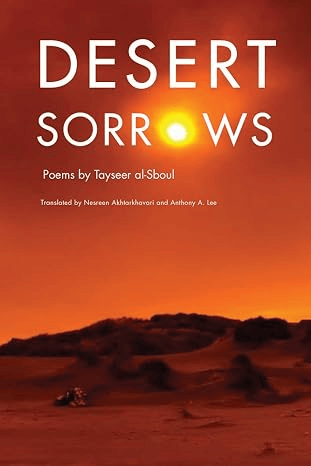
- World Literature Today, one of the 75 most notable translations for 2015, for Desert Sorrows: Poetry of Tayseer al-Sboul.
- Poetry of the Sacred Prize, 2012. Thomas Merton Institute.
- Naomi Long Madgett Poetry Book Award Spring 2005. Lotus Press.
- Nat Turner Poetry Award 2003. Cross Keys Press.
Recent & Selected Poems
Abraham’s Bargain (Poetry of the Sacred Prize Winner, 2012)
It was over.
I got up, paid the bill
at the register after breakfast
(croissants and tea)
in the dark patisserie
on the Niger River
in Mopti, port town in Mali.
Not a pleasant meal:
I the only customer.
The street vendors spotted
me going in, saw their chance
and followed.  A beggar, too deformed
to walk, crawled around
on the cement floor asking
for coins.  I resisted.
I bought a couple of cheap knock-off CDs
of Ali Farka Toure from someone else.
Another guy invited himself,
sat down at my table,
hawking antiques—little iron figures—
one with an absurd long penis,
erect and outstretched—symbol
of masculine power from Dogon country.
He wanted 250 for it.
I liked him. Young, fresh-faced,
forward, hands in his jacket pockets,
head cocked, he smiled,
settled into his chair.
The recession had hit
them bad, guys with things to sell,
their pupils restless, darting.
(Tabaski was a couple of weeks away.
To honor Ismael, not Isaac.)
They whispered to each other,
necks jerking, feet shuffling.
I offered 25 and wouldn’t budge.
He bargained hard, claimed the thing was 200
years old—couldn’t go
that low.  I teased,
joked, but kept to 25.  He wanted 70,
at least 50.  I said I couldn’t.
Sad, I pushed back, stood to go.
Then he caved.
I blinked, my mouth open.
I hope he’s OK, I thought.
I gave him the money,
wanted to leave fast.
Turning from the register, he
there in front of me, blocking the way.
I frowned, thoughts racing.
Tears in his eyes, he hugged me,
kissed me, thanked me.
Now he has money to celebrate
the festival of Abraham,
to sacrifice a kid on the day.
His family will feast.
I hugged him back hard, my eyes wet.
No blood spilt--we stood brothers there
for a moment, in the fatherland.
No God to command us,
no angel to stop us.
I Don’t Believe in Heaven
or hell, for that matter.  Except maybe
as metaphors for the human condition.
But in the café, when the order came—
Earl Grey tea in a pot and an oatmeal cookie—
I broke a corner and took a bite.
The room lifted from the floor,
the air now light, crisp, and clear,
the chairs and tables sparkling,
the people unwrapped beauty.
This is paradise.  How did I get here?
I dared to put a packet of sugar in my cup,
the brown kind that pretends to be healthy.
Pouring my tea, I took a sip, afraid
it might spoil the moment. Tart and sweet,
It was perfection. The Prophet said
there are four rivers in the Kingdom on high.
A river of wine, a river of water,
one of milk, and another of honey.
I had hot water, tea stood  in for alcohol,
the sugar for honey, but no milk.
I suppose I could have asked for some,
but decided three out of four wasn’t bad.
I drank from the rivers promised the righteous.
Three of them, anyway, and didn’t ask
for more.  Maybe it was a Zen thing,
where you get to Nirvana doing
ordinary stuff.  I remembered the story
about the Master who meditated
all his life, then achieved enlightenment
while fishing in the river for dinner.
I nibbled at the cookie and ate the crumbs
to make it last.  Of course, it didn’t.
Bill insisted online that there is no birth
or death, just perpetual transformation.
Nothing starts or stops, just morphs
to something else. The next cup
was bitter and the cookie was gone.
Memory of Abel
Sergio Ortiz took care of a teenager with AIDS for two years before the boy became too ill and he had to send him back to his family in Mexico to die. He has written about this in Spanish. This is my translation of his poem.
I met Abel at the northern
corner of the Plaza in El Paso.
Thirteen years old.
Good at selling the pleasures
of the body that his demons,
northern and white, pay for cheap
while they moan the hymns
of the one-eyed siren.
In his eyes you could see
the reflections of possible johns
that night—and a little coldness.
The cold that you know is death.

My work is just work,
he said. My family is a pain. Friends?
My friends are the dollars
in my pocket.  Food?
Food hurts my stomach, he whispered.

The other day, early,
I passed by the plaza
with the cheap stuff on sale,
and there I caught the smile
of a child lying on a bench—
seeing what had so long been gone.
A few tears came out, but
I don’t know where they came from.
I gathered them one by one
and made a rosary of childhood
that I hoard selfishly—
that today I take out
to remember how beautiful you were,
and that makes me think of a sad
Portuguese song,
O Infante!
No Moon in LA
O fools, and slow of heart to believe all that the prophets have spoken. — Luke 24:25.
_____________________________________

just after sunset
behind me in the parking lot
as I got out of the car alone
he was talking fast
asked for two dollars
to get to Newport Beach
back to the rehab center
where he could dry out
needed to get back there
had been a drug counselor there
had been clean for a year there
celebrated with his parents
helped lots of people
a few days later
started drinking again
didn’t know why
maybe just because
he had made it through
and after that there was no point
maybe some unconscious desire
to go back to his youth
his family pure Sicilian
high cheeks, chiseled chin
facial angles good enough for the screen
his father gave him
$1,500 every Monday morning
for nothing, just to spend
he and his friends wasted
all the time, a continuous party
where nothing made sense
now he was on the street
jeans filthy like a child’s
after six hours of play
his brown hair tangled and greasy
glistened under street lights
he had had it
just wanted out
lifted up his shirt to show
me his ribs, dark skin
bones on a hairless chest
I stared in the almost dark
like in the Bible
my eyes opened
I saw my brother
but didn’t know whether to throw
my arms around him
or kneel to kiss his hand
I gave him five dollars
Taco Bell on the left
blinked red, gold, green
the 7-Eleven next door gave out
its halo glow through the glass
how much booze
could he buy with five dollars
I wondered
how much cheap wine
two bottles maybe
one rock of coke outside the door
asphalt below us
above us just black
we stood alone together for a moment
He said, I don’t have anyone to talk to
looked down, arms at his sides, palms up
I said, you don’t have to tell me
any more humiliating stories
not for $5, Jesus Christ!
that was it

I wish now I had put my forehead to his shoes
I wish I had pushed his bare chest
against mine and held on
I wish I had driven him there
stayed in the rehab room
told him I loved him
gripped his shoulders when he trembled
slept in his bed
my bare arm over his naked body
wiped his face when he sweat
braced him from behind when he vomited
listened to his crazy stories
got him through detox
stayed there to see him through
not just a year, ten years, twenty—more
let him save my soul
Notre Dame/Our Lady
I pick up a candle in the cathedral
near the niche of the Virgin of Guadalupe.
I don’t want anything to do with her,
so I move down two pillars to the place
of St. Charles, whoever he is.
I get down on my knees, tourists crowds behind,
not thinking that it will make any
difference.  Still, Charles is a good name—
as good as any other—and it never hurts
to ask.  I don’t care what they think.
I turn my back on the mass
(singing qui tolis to the Lamb
of God who takes away sins of the world)
drop two euros in the box, light my flame
to pray for someone else.  Charles is my lady.
The grey stone of the church floor
is worn and damp.  Medieval.  Gothic arches
reach halfway to the sky.  Stained glass,
white, yellow, red, green, blue,
painted with black.  Sooty statues,
souvenir shops, winking candles.

In Bangladesh, there are a few Hindus.
Once, I put my forehead to the ground
before the white, graven image
of a goddess there—I forget her name.
No euros, no candles, one
flower was enough.  I took off
my shoes, repeated Sanskrit the priest chanted,
but didn’t drink the white holy water
he dribbled in my hands.
Sometimes, I say Hail Marys naked
in the steam room at my gym.  I pray
towards Mecca with Muslims when I can.
Maybe I have a chance.
Published Excerpts
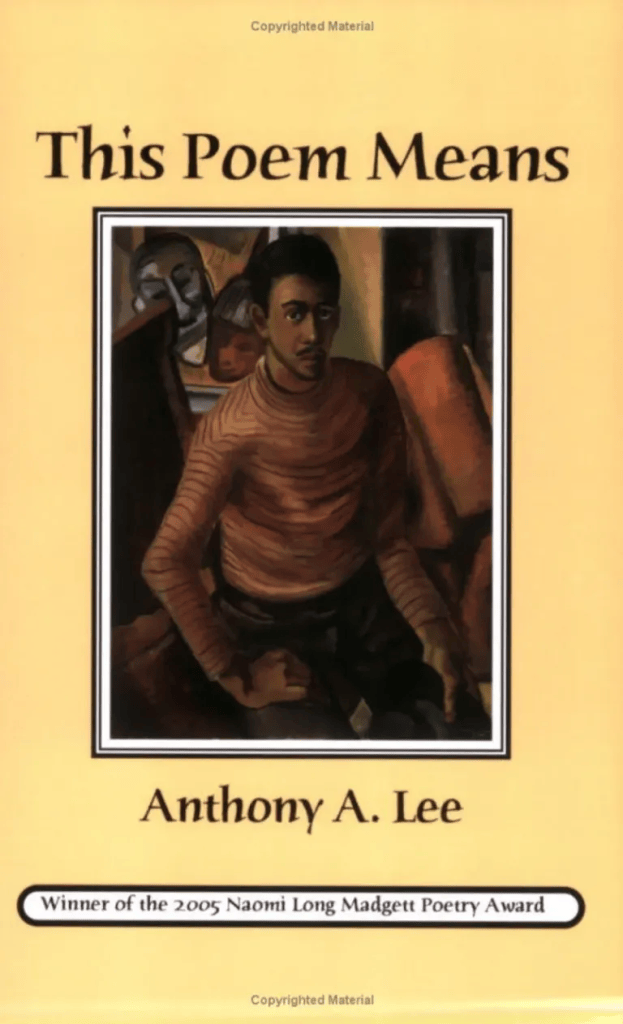
By the Numbers (This Poem Means)
When I saw the three poems
made only of call numbers
I knew what they meant
with that cross
I understood the flag I could read
the blank page that mourned the books
that don’t have
numbers that
aren’t even lost in the Library of Congress
pushed off the margins into . . .

It’s not a black thing it is
memory
and loss it is
loss of memory it is
memory of loss it is
blankness
that peculiar whiteness
of being black without a name

when the skinheads jumped my son
as he walked home from school
they didn’t mean him any harm
they had never heard his name
they didn’t even see him

he could have been anybody
black

when the cops stopped my son
around the corner from our house
they made him get out of the car
sit on the ground
with his hands behind his head
and eighteen years of love and shielding
couldn’t protect him
from that blankness
that odd invisibility
as they checked the license numbers
the plate numbers
the registration numbers
the warrants and their numbers
before they let him go

I could make a cross of those numbers
to mark the spot I could make
a flag of those numbers to wave
above the spot
just around the corner
near my house
on the street
just off the thoroughfare
between Jack-in-the-Box
and the KFC
next to a black phone poll
under the high wires
at about one o’clock in the morning
when all my years of caring
counted for nothing at all
and my son had no name

There is nothing in that place
now no memorial to where
he discovered he was not a child
and I was not his father
both of us pushed into that queer
emptiness filled with numbers
nothing
I would rather
even a blank page
over that
Available Titles
This Poem Means
Winner of the Naomi Long Madgett Award for African American Poets
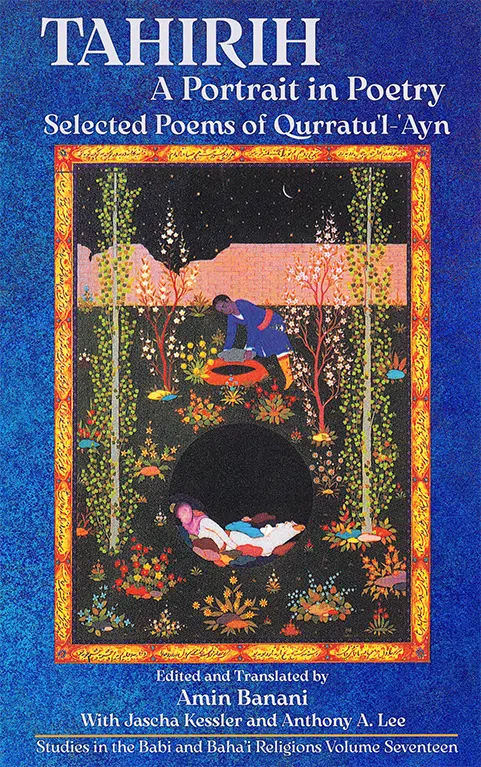
Tahirih: A Portrait in Poetry
Selected Poems of Qurratul’Ayn
Studies in the Babi and Baha’i Religions, Volume 17
The Plague of Love
Selected Sufi Love Poems of Mir Taqi Mir

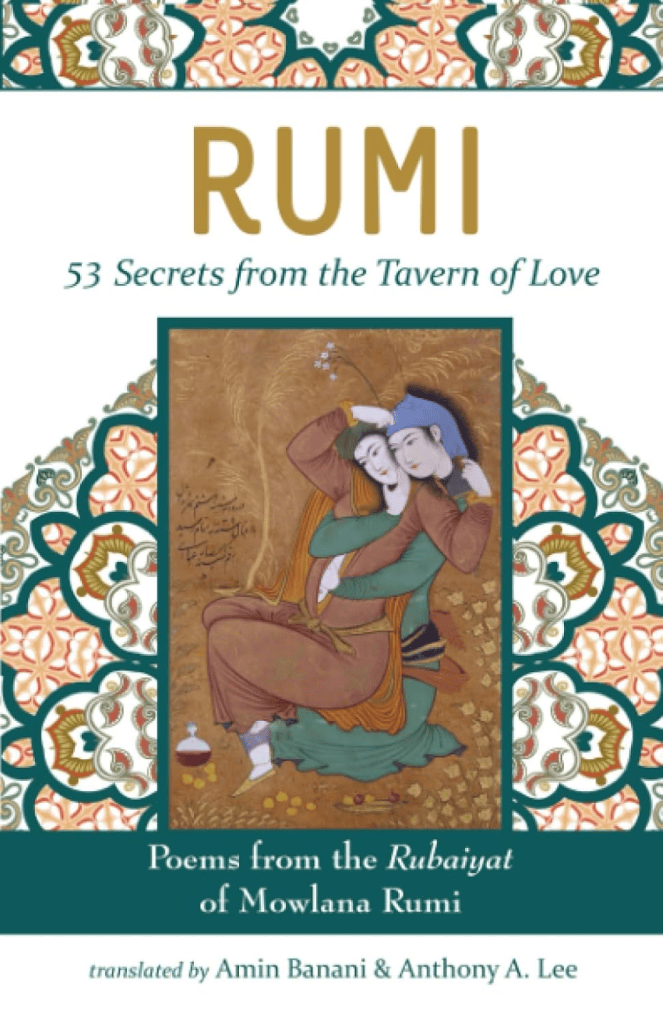
RUMI
53 Secrets from the Tavern of Love
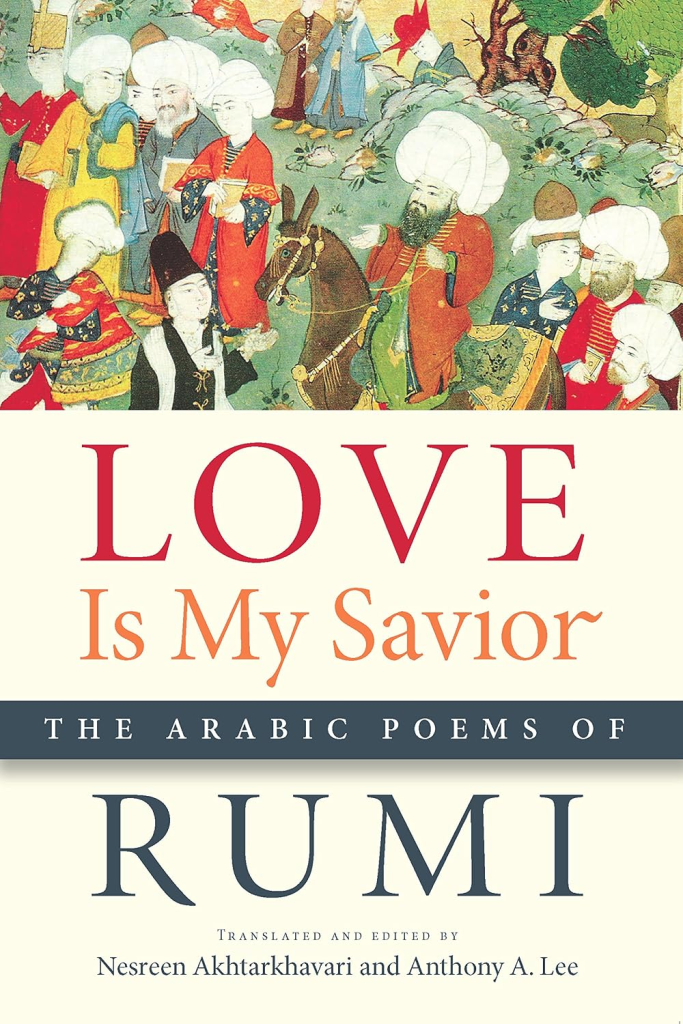
Love Is My Savior
The Arabic Poems of Rumi
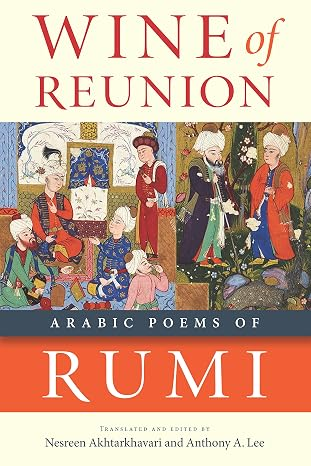
Wine of Reunion
The Arabic Poems of Rumi
Desert Sorrows
Poems by Tayseer al-Sboul